

Cervical Range of Motion & TMJ
Sure, TMJ disorders can respond very well to acupuncture. But it isn't just needling ST7 or SI19. And it isn't just ashi needling or needling the masseter motor point.
In fact, before you put any needles in, you should go through an assessment. How else will you know why the patient has TMJ pain and how to treat it?
One important part of the assessment is the exam. During the exam, we need to check the patient's cervical Range of Motion (ROM). There must be cervical extension in order for the jaw to function properly. Go ahead and try it! Open your mouth like you're taking a big bite and you will notice your head tilts back.
A 2003 study found that all participants with TMJ complaints had either reduced or no cervical extension.
If your TMJ patient has reduced or absent cervical extension (their head doesn't tilt back), then you will have to address the neck.
This clip from 2017 sums up one of the biggest issues we see when treating MSK and pain conditions with needles — and also the solution.
The problem is not the lack of different techniques.
The problem is knowing when to use them, why to use them, and when not to use them.
Motor points, trigger points, electroacupuncture, peripheral treatments, central nervous system approaches — all of these can be valuable.
But they are not interchangeable.
The real skill is understanding how to apply those techniques through the lens of neurology, assessment, and clinical reasoning.
That means identifying what type of problem is actually in front of you, determining the most appropriate treatment strategy, and then reassessing to see whether you actually changed what you intended to change.
That is the difference between simply performing a technique and treating with precision.
And that is exactly what the EXSTORE™ Orthopedic System is built to teach.
EXSTORE gives practitioners a complete, ...
Where the real learning happens.
Click here to join: https://us02web.zoom.us/meeting/register/fBsZkCJVQ8KbN5vV5pfkkw
Just wondering if there is any contraindications with electro acupuncture and insulin pumps? Hadn’t come up before and realized I don’t know. Thank you!

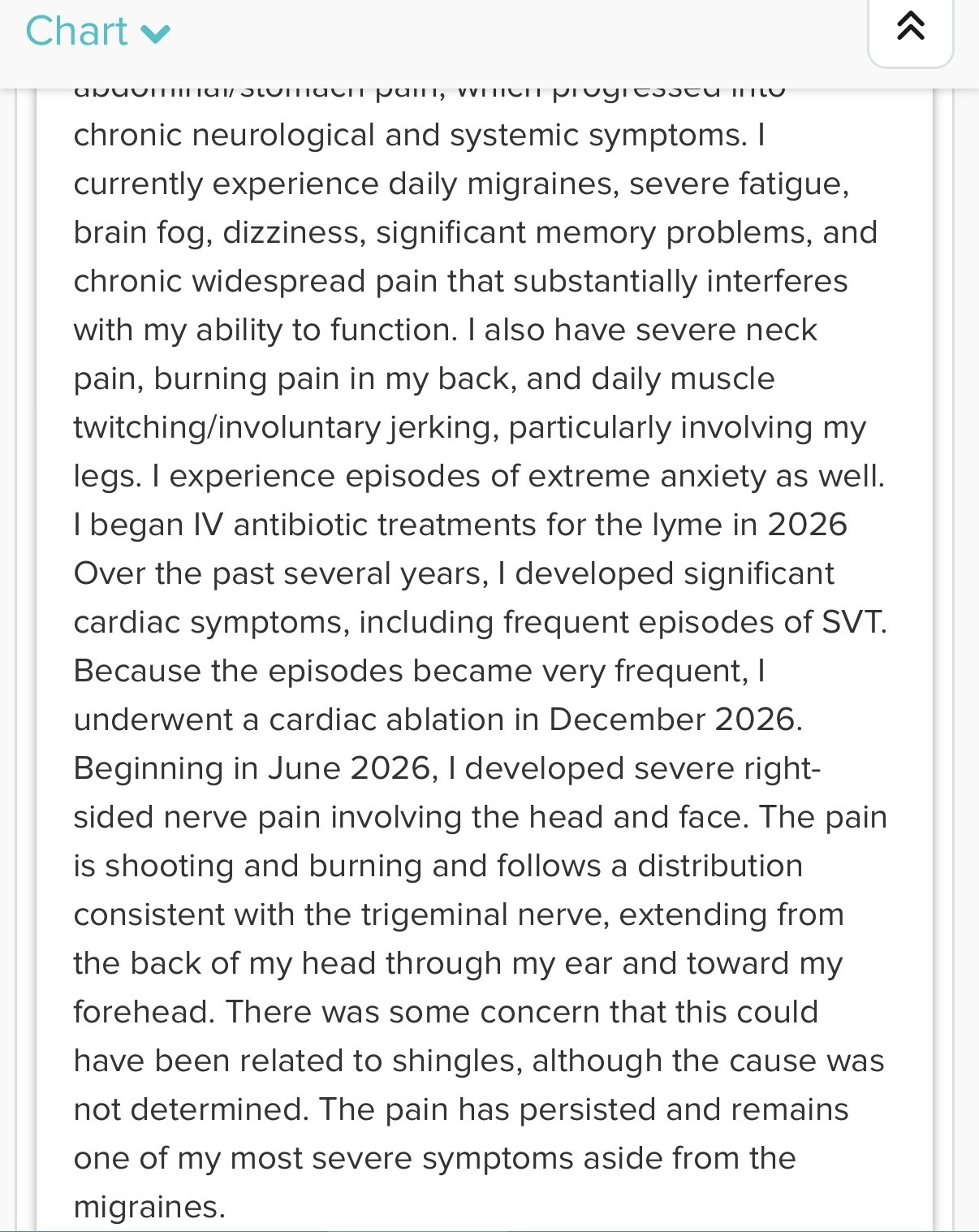
This is from a new patient I saw yesterday. One screenshot is from her intake form, and the other is the Google review I woke up to this morning.
All I did was upper perfusion and a few distal points.
This isn’t a testament to me as a practitioner, but rather to the medicine we practice. What we learn here, and what we are able to do with that knowledge, is incredibly powerful.